CELEBRATE NEURODIVERSITY Mental Health
A Thoughtful Design for Meaningful Embroidery
As a designer who’s stitched countless projects from custom apparel to handmade gifts, I approach every embroidery design with the same question: Will this work in real life? CELEBRATE NEURODIVERSITY Mental Health is no exception. It’s not just a pattern—it’s a message, a statement, and a visual anchor for a growing movement. But before I consider using it on a client’s tote bag or a personalized baby item, I need to evaluate how it performs in practice.
The First Impression: A Mood of Empowerment
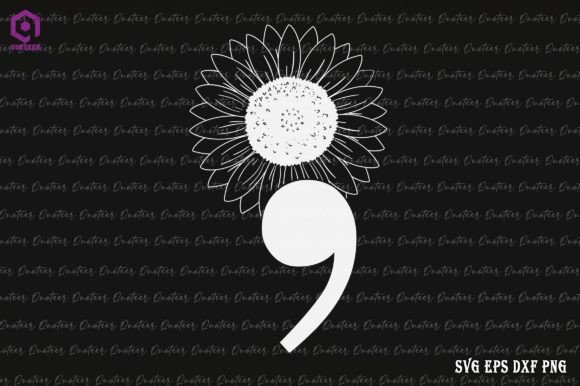
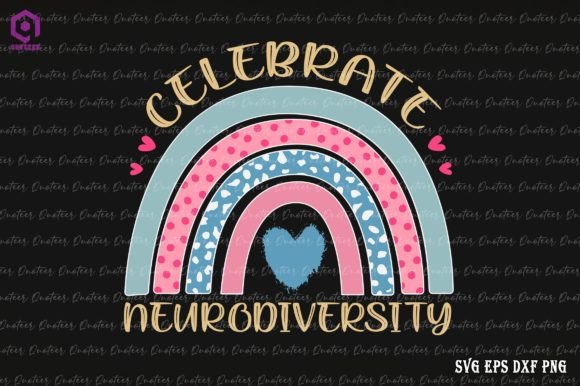
At first glance, CELEBRATE NEURODIVERSITY Mental Health feels intentional and emotionally resonant. The layout is clean, with a strong emphasis on key phrases like “be kind,” “I’m Ok,” and “Fight the Stigma.” These words are carefully spaced and framed by subtle visual elements—like the semicolon symbol—that carry deep meaning within the mental health community. The overall tone is supportive, hopeful, and inclusive, which aligns well with its purpose as a mental health awareness design.
The design’s simplicity allows it to be adaptable across various project types. Whether it’s a small embroidered patch or a large sweatshirt embroidery, the message remains clear and impactful. However, the lack of intricate details means it leans more toward minimalism than complexity. This makes it a good fit for those who value clarity and emotional impact over technical detail.
Real-World Use Cases: From Tote Bags to Baby Clothes
When considering where to place CELEBRATE NEURODIVERSITY Mental Health in a finished product, several scenarios come to mind. For instance, I can imagine it on a custom tote bag, where the message stands out against a neutral background. The flat, blocky text and simple shapes would translate well to a larger hoop size, making it easy to stitch without overwhelming the fabric.
On a baby item, such as a onesie or blanket, the design needs to be gentle and non-intrusive. The simplicity of the text ensures it doesn’t compete with the softness of the fabric or the child’s comfort. However, I’d recommend testing the design on a scrap piece of fabric first, especially if using a dark or textured material. The contrast between the thread color and the fabric will significantly affect how the design appears once stitched.
For smaller items like patches or caps, the design’s compact nature becomes an advantage. The limited space works well with the message’s brevity, allowing the design to feel complete without overcrowding. Yet, I’d caution against using it on curved surfaces like hats unless the stitching path is specifically designed for that shape. Otherwise, the edges may become distorted, affecting the legibility of the message.
Design Performance in Real Embroidery Situations
CELEBRATE NEURODIVERSITY Mental Health is a versatile machine embroidery design that can work in both personal and commercial settings. Its flat, single-layer structure means it doesn’t require complex stitch techniques like satin stitch or fill stitch, which could add unnecessary complexity for beginners or those looking for a quick project.
However, the design’s effectiveness depends heavily on the fabric type and hoop size. On stretchy or thin fabrics, the stitches might shift or distort, especially around the corners or along the edges of the text. To prevent this, using a proper stabilizer is essential. It also helps maintain stitch density and prevents puckering, ensuring the final product looks polished and professional.
Another consideration is the thread color. While the design likely includes multiple colors, the contrast between the thread and the fabric background plays a crucial role in visibility. Testing the design in black and white mockups before committing to a final print can help identify any potential issues with legibility or visual appeal.
Where to Use Carefully: Textured Fabrics and Small Details
While CELEBRATE NEURODIVERSITY Mental Health is a solid choice for many applications, there are specific situations where it may require extra attention. For example, on textured fabrics like denim or canvas, the design might appear less crisp due to the fabric’s uneven surface. In such cases, using a backing sheet or a tear-away stabilizer can help achieve smoother results.
Additionally, the design’s inclusion of tiny lettering and dense stitch areas means it’s not ideal for very small hoop sizes. If the design is intended for a commercial use, such as Etsy listings or craft fair products, it’s important to confirm that the file format and stitch count are compatible with standard embroidery machines. This ensures that the finished product meets quality expectations and maintains brand consistency.
Visual Appeal, Customer Trust, and Brand Consistency
CELEBRATE NEURODIVERSITY Mental Health has the potential to elevate a handmade product or craft business. Its positive message and thoughtful layout make it appealing to customers looking for meaningful, personalized gifts. However, the design’s success ultimately depends on how well it integrates into the overall brand identity.
For small shop owners or Etsy sellers, consistency is key. Using the same design across multiple products—such as a tote bag, cap, and pillow cover—can create a cohesive look that reinforces brand recognition. At the same time, it’s important to ensure that the design doesn’t overshadow the product itself. The message should complement the item, not dominate it.
Customer trust is also influenced by the quality of the finished product. If the design appears blurry, misaligned, or poorly executed, it can damage the reputation of the brand. Therefore, testing the design on scrap fabric and reviewing stitch density before production is a necessary step for any designer or seller.
Practical Designer Notes for Success
Before using CELEBRATE NEURODIVERSITY Mental Health in a real project, here are some practical steps to follow:
- Test on scrap fabric: Always check how the design looks and performs on a sample before committing to a full project.
- Review thread color contrast: Ensure the chosen thread colors provide enough contrast against the fabric background.
- Confirm hoop size: Choose a hoop that fits the design comfortably without stretching or distorting the stitches.
- Inspect small details: Pay close attention to the placement and clarity of all text and symbols.
- Use proper stabilizer: This helps maintain stitch density and prevents puckering on delicate or stretchy fabrics.
- Check light and dark backgrounds: Test the design on both light and dark fabrics to ensure visibility.
- Confirm licensing: If selling finished products or digital files, verify the terms of use to avoid legal issues.
By following these steps, designers and crafters can confidently incorporate CELEBRATE NEURODIVERSITY Mental Health into their projects, knowing they’ve taken the necessary precautions for quality and professionalism.